Blog
Signs You Need Pre-Bought Kitchen Installation — And What To Do Next
Buying a pre-bought kitchen (flat-packed or pre-assembled) can cut costs and give you total control over finishes. But even the best kitchen needs a proper installation to fit an older house or meet building regs. With 30 years' experience fitting kitchens across Swansea and the surrounding 10-mile radius, Superior Installations see the same warning signs time and again. Spot them early and you avoid delays, hidden costs and a rattling oven door.
Clear signs you need a professional install
Altered or uneven floors
Homes in Swansea — terraced, semi-detached and older stone properties — often have uneven subfloors. If carcasses sit out of true, doors won't line up and worktops won't join cleanly. A professional installer will pack, scribe and plane units, and advise on solid plywood levelling or new battens before fixing units.
Non-standard or awkward room layouts
If you have chimney breasts, low ceilings, alcoves or an odd L-shape, bespoke cutting, return panels and trimming are needed. Pre-bought units rarely account for these quirks; an installer can adapt carcasses and fit end panels, filler strips and scribe trims.
You’ve bought a different brand to your appliances
Appliance rebates and older appliance sizes create issues — dishwashers, ovens and integrated fridges vary in depth and ventilation needs. A qualified installer will set correct clearances, ensure waste and water align with unit positions and, where necessary, fit a false drawer box or spacer.
Sink and worktop integration concerns
Stone or composite worktops need precision for sink cut-outs and upstands. If the worktop is pre-ordered from a separate supplier, you’ll need accurate templating and an experienced fitter to fit joins, seal edges and support heavy sinks.
Plumbing or gas alterations are required
Moving a sink, boiler or cooker point needs a competent plumber or gas engineer. If your pre-bought kitchen changes appliance positions you’ll need qualified trades to reroute waste, fit isolation valves and, for gas cookers, issue a safe completion certificate.
Electrical reconfiguration
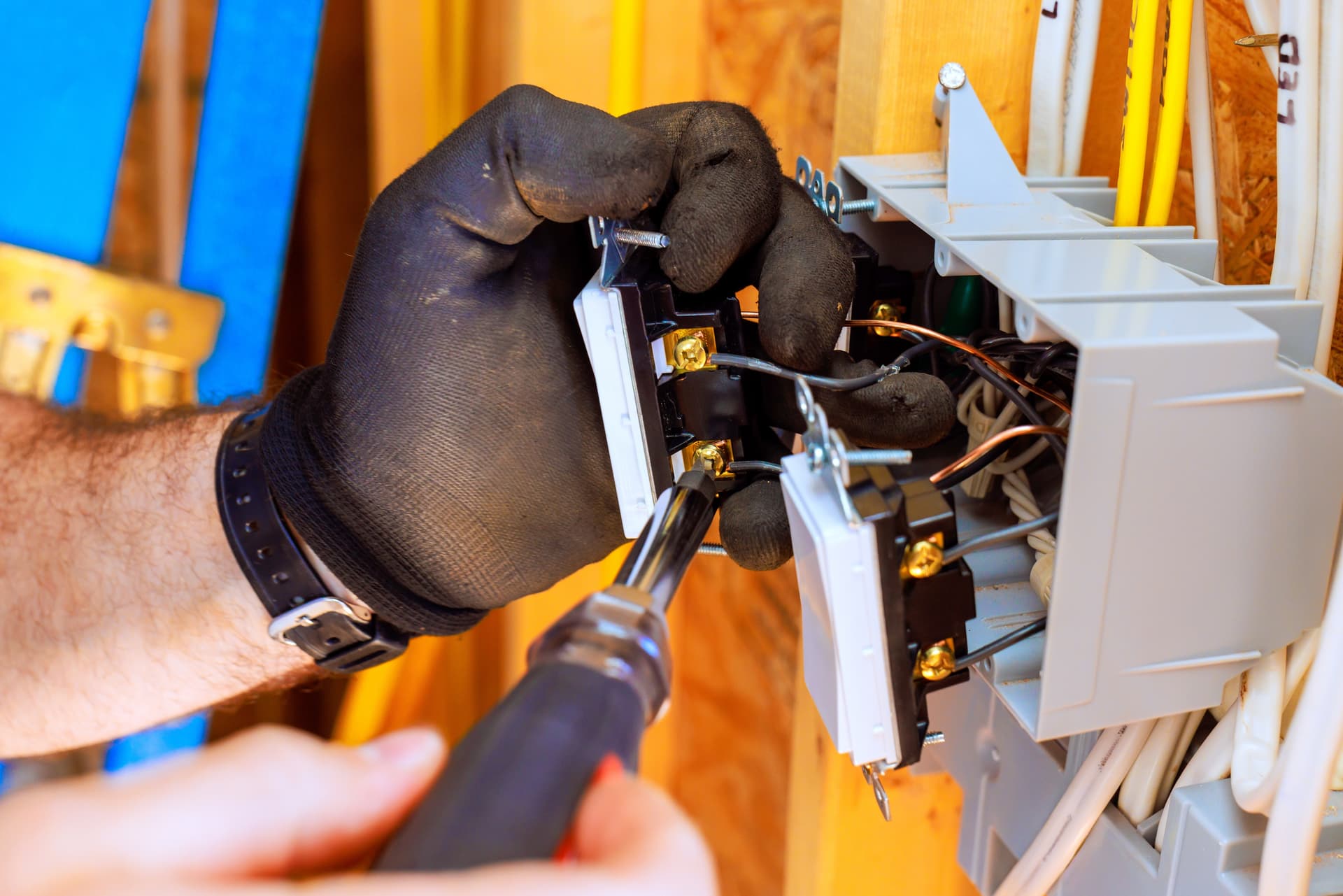
New hob or oven positions mean cooker circuits, extractor switches and under-unit lighting require rewiring. Certified electrical work is essential for safety and to pass building control where needed.
Doors, hinges or carcasses arrive damaged or mismatched
Flat-packed kitchens sometimes arrive with missing fixings or damaged doors. Professional fitters source replacements, adapt hinges (soft-close retrofits) and ensure runout and gaps are within tolerances.
What to do next — a practical checklist
Take a step back and measure
Confirm room dimensions, ceiling height and exact positions of existing services (water, waste, gas, electrics). Photographs of the room from several angles help an installer plan.
Book a measured site survey
Get a tradesperson to survey the space. A detailed survey flags floor levelling, structural walls, loft access for flues and whether plastering or tiling is needed before cabinets go in.
Decide on the scope: supply only, supply + fit, or full project management
If you’ve bought units yourself, consider handing the install and project coordination to a single contractor. Superior Installations handle everything — plastering, tiling, electrical, gas work and joinery — so you have one point of contact and a realistic programme.
Ask for a written method statement and timeline
A good fitter will provide a day-by-day plan (e.g. day 1 strip-out, day 2 level floors and run services, day 3 fit carcasses, day 4 fit worktops and appliances). Expect straightforward pre-bought installs to take from 2–5 days; full refits take longer.
Confirm asbestos and building control needs
If the property is pre-1970s and you’re removing old hearths or pipework, carry out an asbestos check. Also check whether structural changes or major service relocations need notification to building control.
Keep a small contingency for unexpected works
Older properties frequently reveal rotten joists, damp or corroded pipework. A 10–15% contingency prevents project pauses and rushed repairs.
What Superior Installations handle for pre-bought kitchens
With 30 years’ hands-on experience we fit pre-bought kitchens across Swansea and nearby towns. We’ll:
Carry out detailed measured surveys and templating for worktops
Coordinate plumbers, gas engineers and electricians to current regs
Level floors, scribe and pack carcasses, fit end panels, plinths and pelmets
Install and seal worktops, sinks and splashbacks, and commission appliances
Provide an owner-run, hands-on service with practical cost control
If your pre-bought kitchen needs professional installation, don’t risk gaps, ill-fitting worktops or unsafe service alterations. Get a survey and a clear install plan tailored to your house. Contact Superior Installations for a no-nonsense quote and project programme across Swansea and the surrounding 10-mile area.
Other Articles